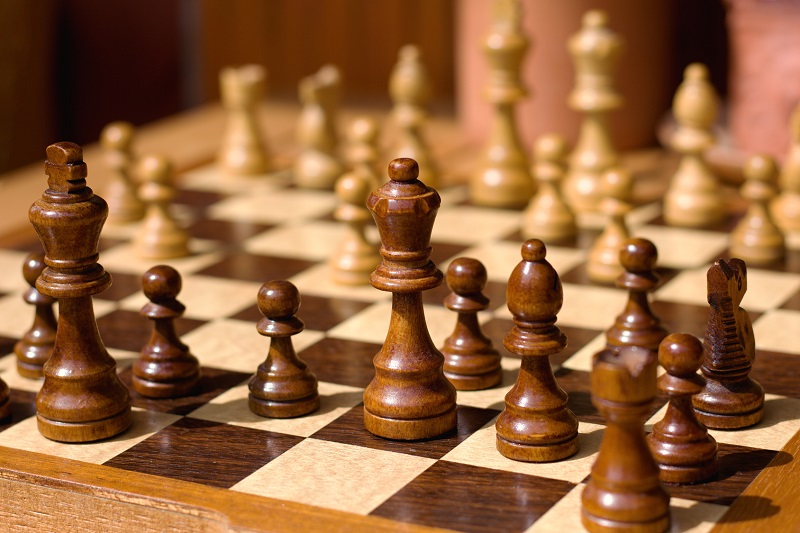
Chess is a two-player strategyboard game played on a checkered board with 64 squares arranged in an 8×8 grid. The game is played by millions of people worldwide. Chess is believed to be derived from the Indian game chaturanga sometime before the 7th century. A board game of strategic skill for two players, played on a checkered board. Each player begins the game with sixteen pieces that are moved and used to capture opposing pieces according to precise rules. The object is to put the opponent’s king under a direct attack from which escape is impossible ( checkmate ).
Champions in Chess
1.Garry Kasparov
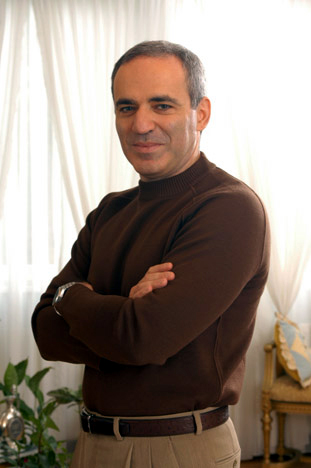
Kasparov became the youngest ever undisputed World Chess Champion in 1985 at age 22 by defeating then-champion Anatoly Karpov. He held the official FIDE world title until 1993, when a dispute with FIDE led him to set up a rival organization, the Professional Chess Association. In 1997 he became the first world champion to lose a match to a computer under standard time controls, when he lost to the IBM supercomputer Deep Blue in a highly publicized match. He continued to hold the “Classical” World Chess Championship until his defeat by Vladimir Kramnik in 2000. In spite of losing the title, he continued winning tournaments and was the world’s highest-rated player when he retired from professional chess in 2005.
2.Anatoly Karpov
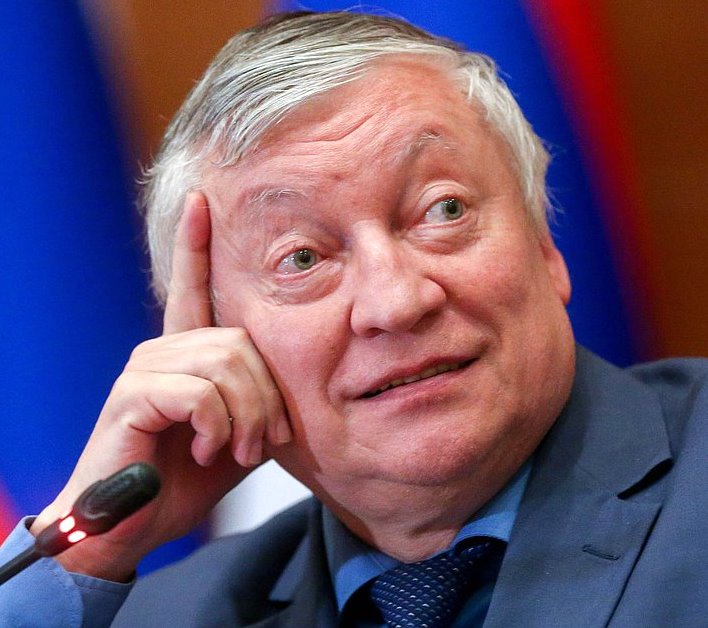
Anatoly Yevgenyevich Karpov is a Russian chess grandmaster and former World Champion. He was the official world champion from 1975 to 1985 when he was defeated by Garry Kasparov. He played five matches against Kasparov for the title from 1984 to 1990, before becoming FIDE World Champion once again after Kasparov broke away from FIDE in 1993. He held the title until 1999, when he resigned his title in protest against FIDE’s new world championship rules. For his decades-long standing among the world’s elite, many consider Karpov one of the greatest players in history.
3.Magnus Carlsen
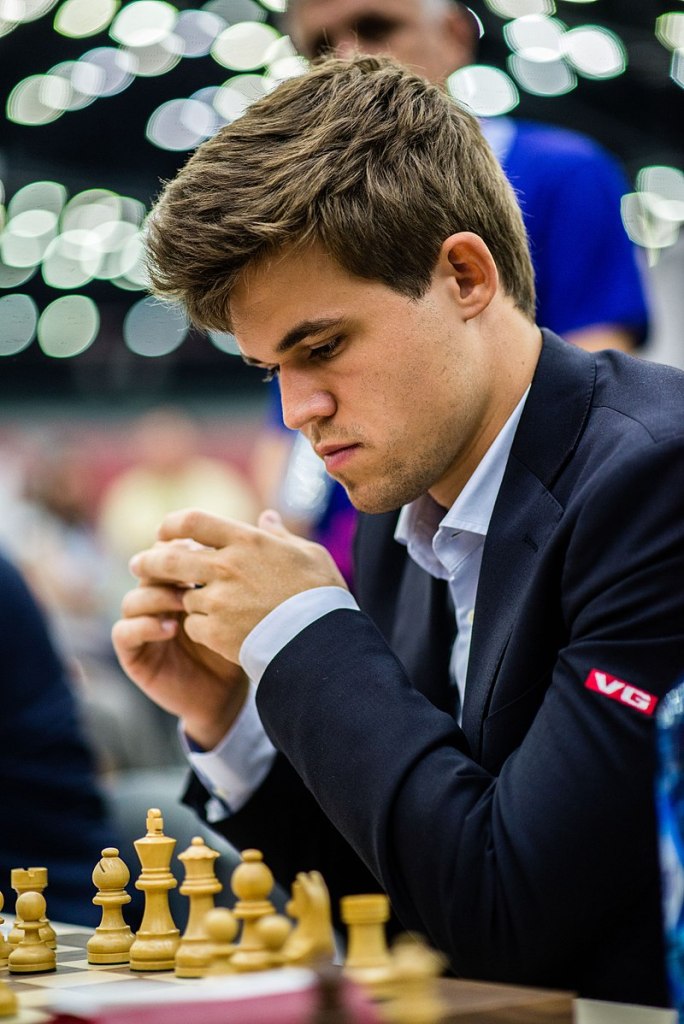
Sven Magnus Øen Carlsen is a Norwegian chess grandmaster and the current World Chess Champion. In addition to his success in classical chess, he is also a two-time World Rapid Chess Champion and four-time World Blitz Chess Champion. Carlsen first reached the top of the FIDE world rankings in 2010, and trails only Garry Kasparov at time spent as the highest rated player in the world. His peak classical rating of 2882 is the highest in history.
4.Wilhelm Steinitz
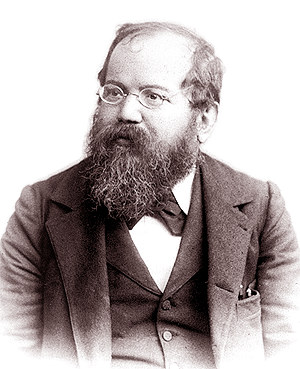
Wilhelm Steinitz was an Austrian and later American chess master, and the first undisputed World Chess Champion, from 1886 to 1894. He was also a highly influential writer and chess theoretician. When discussing chess history from the 1850s onwards, commentators have debated whether Steinitz could be effectively considered the champion from an earlier time, perhaps as early as 1866. Steinitz lost his title to Emanuel Lasker in 1894, and lost a rematch in 1896–97.
5.José Raúl Capablanca
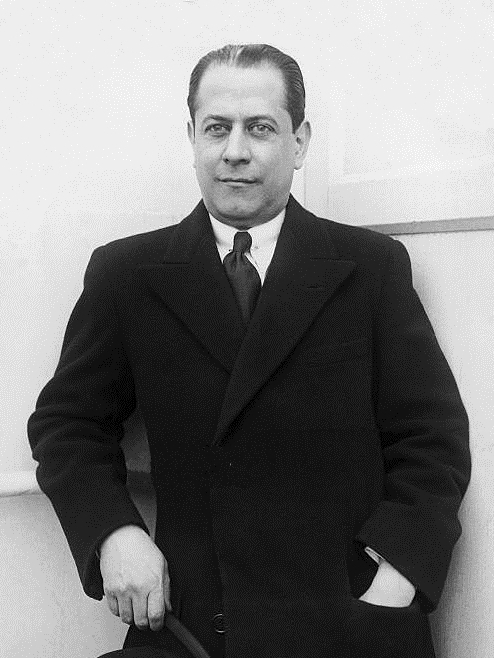
José Raúl Capablanca y Graupera was a Cuban chess player who was world chess champion from 1921 to 1927. A chess prodigy, he is considered by many as one of the greatest players of all time, widely renowned for his exceptional endgame skill and speed of play.
Moves and Attack
1. The Fried Liver Attack
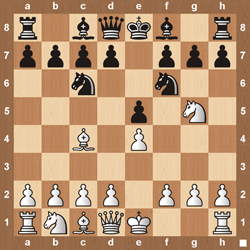
The Fried Liver Attack, also called the Fegatello Attack is a chess opening. This opening is a variation of the Two Knights Defense in which White sacrifices a knight for an attack on Black’s king. The opening begins with the moves:
2. Italian Game
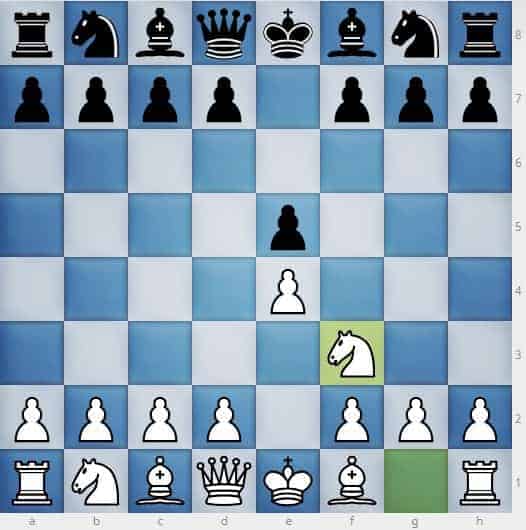
The Italian Game is a family of chess openings beginning with the moves: 1. e4 e5 2. Nf3 Nc6 3. Bc4 The opening is defined by the development of the white bishop to c4, where it attacks Black’s vulnerable f7-square. It is part of the large family of Open Games or Double King’s Pawn Games.
3. Sicilian Defence
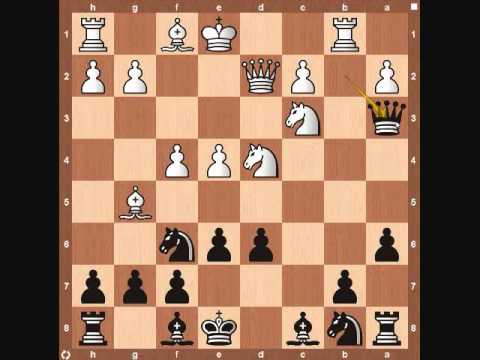
The Sicilian Defence is a chess opening that begins with the following moves: 1. e4 c5 The Sicilian is the most popular and best-scoring response to White’s first move 1.e4. 1.d4 is a statistically more successful opening for White due to the high success rate of the Sicilian defence against 1.e4.
4.Fork
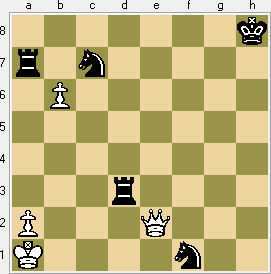

In chess, a fork is a tactic whereby a single piece makes two or more direct attacks simultaneously. Most commonly two pieces are threatened, which is also sometimes called a double attack. The attacker usually aims to gain material by capturing one of the opponent’s pieces.
5. X-ray Attack
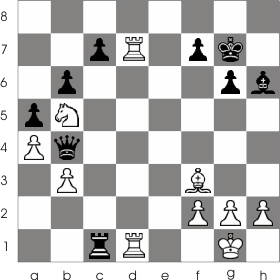
In chess, the term X-ray or X-ray attack is sometimes used as a synonym for skewer. It can also refer to a tactic where a piece either: indirectly attacks an enemy piece through another piece or pieces, or. defends a friendly piece through an enemy piece.
 GamesStudio